CDC Issues New Guidelines: Respiratory Illness Prevention for Winter 2026
Anúncios
The CDC has issued an urgent alert with new guidelines for respiratory illness prevention for winter 2026, emphasizing updated strategies for public health.
Anúncios
As winter 2026 approaches, the Centers for Disease Control and Prevention (CDC) has released an Urgent Alert: CDC Issues New Guidelines on Respiratory Illness Prevention for Winter 2026. This comprehensive update aims to equip Americans with the latest information and strategies to safeguard their health against seasonal respiratory threats. Understanding these new recommendations is crucial for individuals and communities alike to prepare effectively.
understanding the evolving landscape of respiratory threats
The landscape of respiratory illnesses is constantly shifting, influenced by new variants, changing environmental factors, and global travel patterns. The CDC’s proactive approach reflects the need for adaptable strategies to protect public health. This section delves into the primary respiratory threats anticipated for winter 2026 and how they differ from previous years.
Anúncios
Recent epidemiological data highlight an increased prevalence of co-circulation of various pathogens, including influenza, RSV, and evolving SARS-CoV-2 strains. This complex interplay necessitates a multifaceted defense. The new guidelines are designed to address these concurrent threats comprehensively, aiming to reduce the overall burden on healthcare systems and minimize severe outcomes.
emerging viral strains and their impact
One of the key drivers behind the updated guidelines is the emergence of new viral strains. These variants often present with altered transmissibility or severity, making previous prevention methods potentially less effective. The CDC continuously monitors these developments to provide timely and relevant advice.
- Influenza Variants: Annual flu seasons bring new strains, and 2026 is no exception, requiring updated vaccine formulations.
- RSV Evolution: Respiratory Syncytial Virus (RSV) continues to pose a significant risk, particularly for infants and older adults, with new prophylactic options being evaluated.
- SARS-CoV-2 Adaptations: The virus responsible for COVID-19 persists, with new sub-variants necessitating ongoing vigilance and updated vaccine boosters.
environmental and societal factors
Beyond viral evolution, environmental and societal factors play a crucial role in disease transmission. Colder weather drives people indoors, increasing close contact and the potential for spread. Additionally, travel patterns and population density influence how quickly illnesses can disseminate across communities.
The CDC emphasizes community-level interventions that account for these factors. This includes recommendations for improved indoor air quality and public awareness campaigns about reducing transmission in crowded settings. Understanding these broader influences helps individuals make informed decisions about their daily activities and interactions.
updated vaccination recommendations for winter 2026
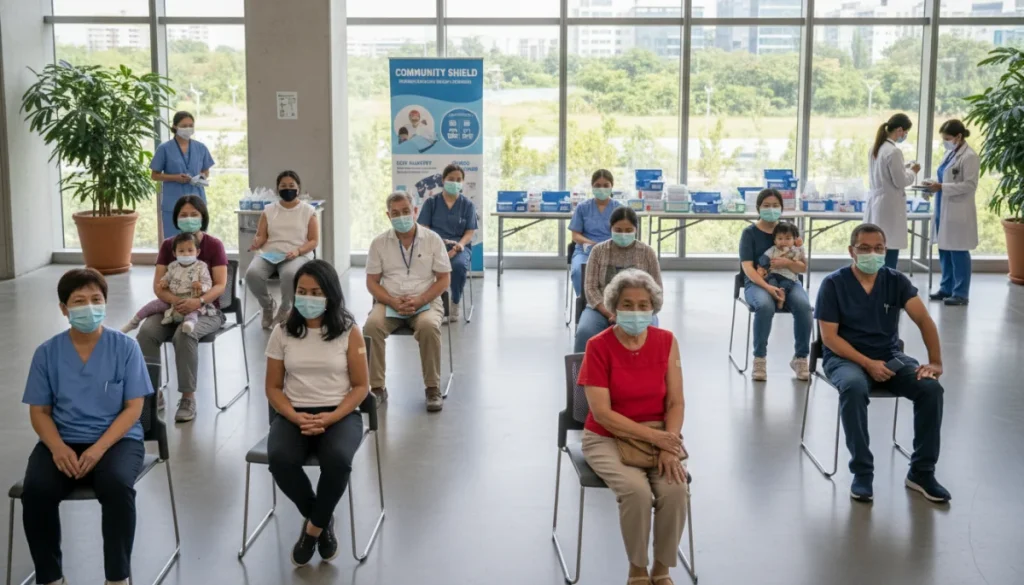
Vaccination remains the cornerstone of respiratory illness prevention. The CDC’s new guidelines for winter 2026 place a strong emphasis on updated vaccination schedules and expanded eligibility criteria for various vaccines. Staying current with recommended immunizations is the most effective way to build immunity and protect against severe disease.
These recommendations are based on the latest scientific evidence and surveillance data, ensuring that the vaccines offered are tailored to the circulating strains. Public health officials are working diligently to ensure widespread access to these crucial preventative tools across the United States. It’s important for everyone to consult with their healthcare provider to determine their specific vaccination needs.
expanded eligibility and booster schedules
The 2026 guidelines introduce expanded eligibility for certain vaccines and updated booster schedules. This includes recommendations for specific age groups, individuals with underlying health conditions, and healthcare workers. The goal is to provide robust protection to those most vulnerable and to reduce the overall burden of illness.
- Influenza Vaccine: Annual vaccination is recommended for everyone aged six months and older, with updated formulations targeting anticipated strains.
- RSV Immunization: New recommendations for RSV immunization for infants and certain older adults are now in effect, offering enhanced protection.
- COVID-19 Boosters: Regular COVID-19 boosters, adapted to emerging variants, are advised for maintaining high levels of immunity.
importance of timely vaccination
Timeliness is critical when it comes to vaccination, especially for seasonal illnesses. Getting vaccinated early in the fall allows the body sufficient time to develop a protective immune response before peak illness season arrives. The CDC encourages individuals to not delay their vaccinations, highlighting the benefits of early protection.
Healthcare providers play a vital role in communicating these updated guidelines and ensuring that patients receive the correct immunizations at the appropriate times. Public health campaigns will also be launched to raise awareness and facilitate access to vaccination clinics across the nation.

enhanced hygiene and personal protective measures
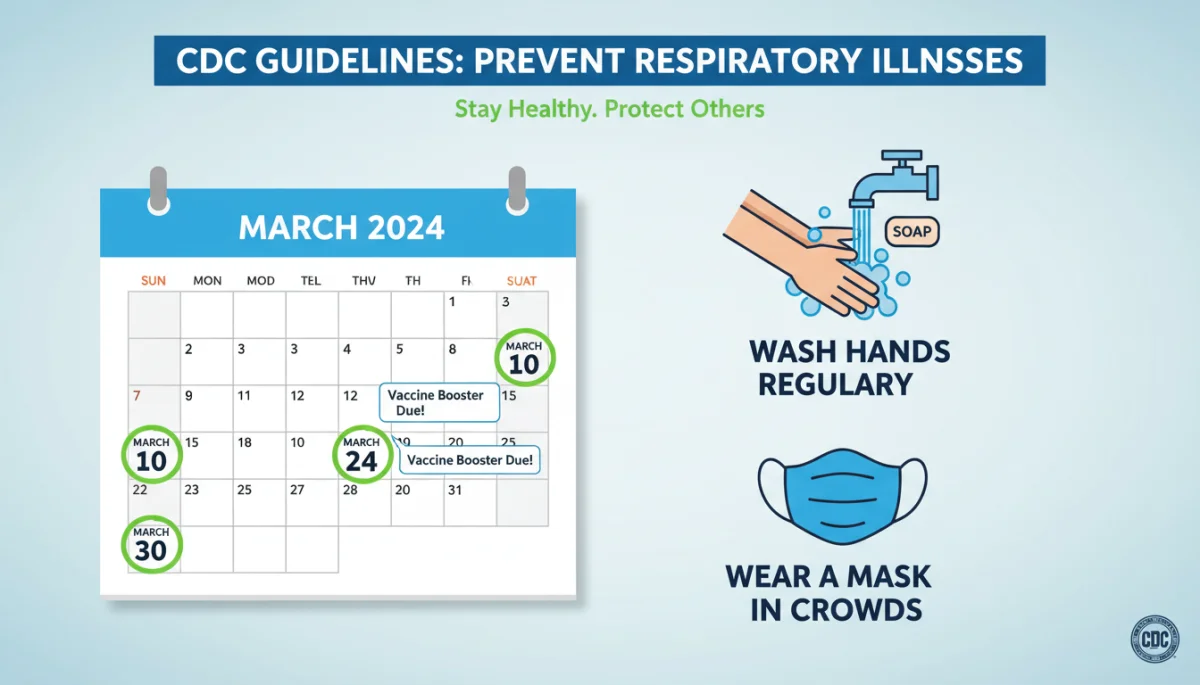
Beyond vaccination, the CDC’s new guidelines emphasize enhanced hygiene practices and personal protective measures as crucial components of respiratory illness prevention. These measures act as an important first line of defense, reducing the transmission of pathogens in daily life. Integrating these practices into daily routines can significantly lower the risk of infection for individuals and communities.
These recommendations are not new concepts, but their consistent application remains vital. The guidelines reinforce the importance of these simple yet effective actions, especially during periods of high viral circulation. Adherence to these practices contributes to a collective effort in safeguarding public health during the winter months.
the power of hand hygiene
Proper hand hygiene is one of the most effective ways to prevent the spread of respiratory viruses. The CDC reiterates the importance of frequent handwashing with soap and water for at least 20 seconds, especially after coughing, sneezing, or being in public spaces. When soap and water are not available, an alcohol-based hand sanitizer with at least 60% alcohol should be used.
- Washing Technique: Emphasize thorough scrubbing of all hand surfaces, including between fingers and under nails.
- Frequent Application: Encourage handwashing before eating, after using the restroom, and after touching high-touch surfaces.
- Availability: Promote the widespread availability of handwashing stations and hand sanitizers in public and private settings.
mask usage and respiratory etiquette
The guidelines also provide updated recommendations on mask usage, particularly in certain high-risk settings or during periods of elevated community transmission. While not universally mandated, understanding when and where to wear a mask can offer an additional layer of protection. Additionally, practicing proper respiratory etiquette is paramount.
Covering coughs and sneezes with a tissue or into the elbow, rather than the hands, helps contain respiratory droplets. Disposing of used tissues immediately and washing hands afterwards further reduces the risk of spread. These simple actions protect both the individual and those around them.
community-level mitigation strategies
Effective respiratory illness prevention requires more than individual action; it demands robust community-level mitigation strategies. The CDC’s 2026 guidelines outline key approaches for schools, workplaces, and public spaces to reduce transmission and protect collective health. These strategies are designed to create safer environments for everyone.
Collaboration between local health departments, community leaders, and organizations is essential for successful implementation. These measures aim to minimize disruptions to daily life while effectively curbing the spread of illnesses during peak season. Understanding and supporting these initiatives benefits the entire community.
strategies for schools and childcare facilities
Schools and childcare settings are often hotspots for respiratory virus transmission. The new guidelines provide specific recommendations for these environments, focusing on ventilation improvements, robust cleaning protocols, and clear communication channels for illness reporting. Early detection and isolation of sick individuals are critical to preventing wider outbreaks.
- Improved Ventilation: Recommendations include upgrading HVAC systems, using portable air purifiers, and increasing outdoor air circulation.
- Enhanced Cleaning: Regular disinfection of high-touch surfaces and shared equipment is advised.
- Sick Policy: Clear guidelines for when students and staff should stay home when sick, and protocols for safe return.
workplace preparedness and public spaces
Workplaces and public venues also play a significant role in community health. The CDC encourages employers to review and update their infectious disease preparedness plans, promoting flexible sick leave policies and supporting telework options where feasible. For public spaces, ensuring adequate ventilation and promoting hygiene are key.
These strategies help create a healthier environment for employees and patrons, reducing the likelihood of widespread transmission. Public health messaging in these settings will also reinforce personal prevention measures, such as hand hygiene and staying home when ill, fostering a culture of shared responsibility.
what to do if you get sick: testing and treatment
Despite best prevention efforts, some individuals may still contract respiratory illnesses. The CDC’s new guidelines for winter 2026 provide clear advice on what steps to take if you become sick, emphasizing the importance of timely testing and appropriate treatment. Early intervention can significantly impact recovery and prevent severe complications.
Knowing when to seek medical attention and how to manage symptoms at home is crucial. The guidelines aim to empower individuals with the knowledge to make informed decisions about their health when illness strikes, ensuring they receive the care they need while minimizing further spread.
guidance on testing and diagnosis
Prompt and accurate testing is vital for identifying the specific pathogen causing illness, which can inform treatment decisions. The CDC recommends testing for common respiratory viruses, including influenza, RSV, and COVID-19, especially for individuals at higher risk of severe disease. Access to rapid home tests and laboratory testing will be widely promoted.
- When to Test: Advise testing if symptoms are present, especially before interacting with vulnerable individuals.
- Types of Tests: Explain the availability of rapid antigen tests and PCR tests for various respiratory viruses.
- Interpreting Results: Provide clear guidance on understanding test results and subsequent actions.
treatment options and medical care
For many respiratory illnesses, early treatment can be highly effective. The guidelines highlight available antiviral medications for influenza and COVID-19, emphasizing that these treatments are most beneficial when initiated soon after symptom onset. Consulting a healthcare provider for diagnosis and prescription is strongly advised.
Additionally, the CDC provides recommendations for managing mild symptoms at home, such as rest, hydration, and over-the-counter medications. However, it stresses the importance of seeking immediate medical attention for severe symptoms, such as difficulty breathing or persistent chest pain, to prevent serious health outcomes.
preparing your household for winter 2026
Preparing your household for the upcoming winter season is a proactive step in respiratory illness prevention. The CDC’s new guidelines extend to practical advice for families, ensuring homes are healthy environments and that necessary supplies are on hand. A well-prepared household can better withstand the challenges of the illness season.
This includes not only stocking up on essentials but also establishing routines that support health and minimize transmission within the home. Taking these preparatory steps can reduce stress and improve overall well-being during the colder months. It’s about creating a resilient environment for all family members.
stocking up on essentials
Having a well-stocked supply of essential items can make a significant difference if someone in the household falls ill. This includes over-the-counter medications for fever and pain, tissues, hand soap, hand sanitizer, and cleaning supplies. Ensuring you have enough of these items can prevent last-minute trips to the store when you or a family member is unwell.
- Medical Supplies: Thermometer, pain relievers, cough syrup, and any necessary prescription medications.
- Hygiene Products: Ample supply of hand soap, hand sanitizer, and disinfectant wipes.
- Household Comforts: Tissues, humidifiers, and non-perishable food items.
creating a healthy home environment
Beyond supplies, fostering a healthy home environment is key. This involves ensuring good indoor air quality through regular ventilation, cleaning and disinfecting frequently touched surfaces, and establishing clear protocols for isolating sick family members. Open windows when possible, use exhaust fans, and consider air purifiers with HEPA filters.
Educating all household members on proper hand hygiene and respiratory etiquette reinforces preventative behaviors. Developing a family plan for what to do if someone gets sick, including designated care areas and communication strategies, can also provide peace of mind and improve response effectiveness.
the role of public health communication and awareness
Effective public health communication is paramount to the success of the CDC’s new guidelines for respiratory illness prevention in winter 2026. Clear, consistent, and accessible information ensures that all Americans understand the risks and the recommended preventative measures. This section highlights the strategies employed to keep the public informed and engaged.
The CDC, in collaboration with state and local health departments, will utilize multiple platforms to disseminate critical information. This includes public service announcements, online resources, social media campaigns, and partnerships with community organizations. The goal is to reach diverse populations and address health disparities in information access.
clear and consistent messaging
One of the primary objectives is to provide clear and consistent messaging to avoid confusion and build public trust. Information will be presented in an easy-to-understand format, avoiding overly technical jargon. Regular updates will be provided as new data or developments emerge, ensuring the public always has the most current advice.
- Accessible Language: Information will be translated into multiple languages and presented in various formats, such as infographics and videos.
- Reliable Sources: Emphasize that official CDC channels and trusted healthcare providers are the go-to sources for accurate information.
- Addressing Misinformation: Proactive strategies to counter misinformation and disinformation about respiratory illnesses and vaccines.
community engagement and partnerships
Engaging communities directly and fostering partnerships are vital for effective public health initiatives. The CDC will work with community leaders, faith-based organizations, and local advocacy groups to tailor messages and deliver resources in culturally sensitive ways. This localized approach ensures that prevention efforts resonate with and are adopted by all segments of the population.
These partnerships also facilitate the equitable distribution of vaccines, testing supplies, and educational materials, especially in underserved areas. By working together, public health authorities and communities can create a stronger, more resilient front against respiratory illnesses, protecting vulnerable populations and promoting overall wellness.
| Key Aspect | Brief Description |
|---|---|
| Updated Vaccinations | New schedules and expanded eligibility for flu, RSV, and COVID-19 vaccines for winter 2026. |
| Enhanced Hygiene | Emphasis on frequent handwashing, proper respiratory etiquette, and strategic mask usage. |
| Community Strategies | Recommendations for schools, workplaces, and public spaces to reduce illness transmission. |
| Testing & Treatment | Guidance on timely testing, diagnosis, and available antiviral treatments for respiratory illnesses. |
frequently asked questions about winter 2026 respiratory illness prevention
The most significant changes include updated vaccination schedules for flu, RSV, and COVID-19, expanded eligibility for certain immunizations, and a renewed focus on community-level mitigation strategies. There’s also enhanced guidance on indoor air quality and timely testing for various respiratory pathogens to ensure prompt treatment and reduce severe outcomes.
Everyone aged six months and older is encouraged to receive their annual flu shot. Priority groups for additional immunizations, such as RSV and updated COVID-19 boosters, include infants, older adults, pregnant individuals, and those with underlying health conditions. Consult your healthcare provider for personalized recommendations based on your health status and risk factors.
Households should stock up on essential supplies like over-the-counter medications, hand sanitizer, and cleaning products. Establish good ventilation practices, ensure proper hand hygiene routines, and have a plan for isolating sick family members. Staying informed about local health alerts and vaccination opportunities is also crucial for preparedness.
Schools and workplaces are encouraged to implement improved ventilation systems, maintain rigorous cleaning protocols, and promote clear illness reporting policies. Flexible sick leave and telework options can also help reduce transmission. These collective efforts create safer environments and minimize the spread of viruses within the community.
You should seek medical attention if you experience severe symptoms like difficulty breathing, persistent chest pain or pressure, new confusion, or inability to wake or stay awake. Prompt testing is also recommended for those at higher risk of severe disease to determine if antiviral treatments are necessary. Always consult a healthcare professional with concerns.
conclusion
The Urgent Alert: CDC Issues New Guidelines on Respiratory Illness Prevention for Winter 2026 serves as a critical roadmap for safeguarding public health in the face of evolving respiratory threats. By embracing updated vaccination recommendations, practicing diligent hygiene, implementing community-level mitigation strategies, and preparing our households, we can collectively reduce the impact of seasonal illnesses. Staying informed and proactive is the most effective defense, ensuring a healthier winter for all Americans.
