EdTech’s 2026 Impact: A Parent’s Guide to U.S. Classrooms
Anúncios
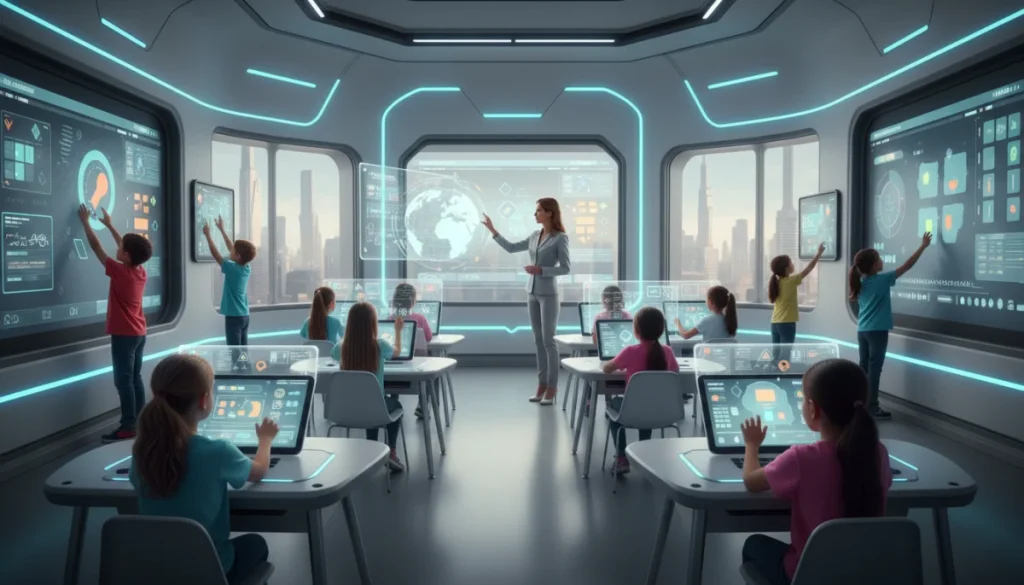
The impact of new educational technology on U.S. classrooms in 2026 is reshaping learning, offering personalized experiences and innovative tools that empower students and provide practical solutions for parents navigating evolving educational landscapes.
Anúncios
Understanding the impact of new educational technology on U.S. classrooms in 2026: a parent’s guide (recent updates, practical solutions) is crucial for every family. The landscape of learning is evolving rapidly, and staying informed can empower you to support your child’s academic journey effectively.
The Digital Transformation of Learning Environments
The integration of technology into U.S. classrooms has been a gradual process, but by 2026, it has reached a pivotal point. We are witnessing a comprehensive digital transformation that goes beyond merely replacing textbooks with tablets. This shift is fundamentally altering how students learn, how teachers instruct, and how parents can engage with their children’s education.
Anúncios
This transformation is driven by several factors, including advancements in artificial intelligence, virtual and augmented reality, and personalized learning platforms. These technologies promise to make education more accessible, engaging, and tailored to individual student needs, preparing them for a future workforce that is increasingly digital.
Personalized Learning Pathways
One of the most significant benefits of new educational technology is its ability to facilitate personalized learning. AI-driven platforms can adapt to a student’s pace and style, offering customized content and assessments.
- Adaptive Learning Software: These programs identify a student’s strengths and weaknesses, then adjust the curriculum to provide targeted support or advanced challenges.
- Data-Driven Insights: Teachers receive real-time data on student performance, allowing them to intervene proactively and tailor their instruction.
- Student-Paced Progression: Learners can move through material at their own speed, reducing frustration and fostering a deeper understanding.
This approach ensures that no student is left behind, nor is any student held back by a one-size-fits-all curriculum. It fosters a sense of ownership over their learning journey, encouraging self-directed exploration and critical thinking.
In conclusion, the digital transformation is not just about tools; it’s about creating dynamic, responsive learning environments that cater to the unique needs of each student. This foundational shift sets the stage for more innovative teaching practices and better outcomes.
Augmented and Virtual Reality in Education
Augmented Reality (AR) and Virtual Reality (VR) are no longer confined to gaming. By 2026, these immersive technologies are becoming integral components of U.S. classrooms, offering unparalleled opportunities for experiential learning. They allow students to explore complex concepts in ways that traditional methods simply cannot.
From virtual field trips to interactive simulations, AR and VR are breaking down the walls of the classroom, making learning more vivid, memorable, and accessible. This section delves into how these technologies are being implemented and their profound impact on student engagement and comprehension.
Immersive Learning Experiences
AR and VR provide students with rich, interactive experiences that bring subjects to life. Imagine dissecting a frog in VR without the mess, or exploring ancient Rome through an AR overlay in your classroom.
- Virtual Field Trips: Students can visit historical sites, distant ecosystems, or even outer space, all from their desks, fostering a global perspective.
- Interactive Simulations: Complex scientific experiments or engineering challenges can be performed in a safe, virtual environment, allowing for trial and error.
- Enhanced Visualizations: Abstract concepts in subjects like biology or physics become tangible through 3D models and interactive diagrams.
These immersive experiences are particularly beneficial for visual and kinesthetic learners, providing a multi-sensory approach to education that deepens understanding and retention. They transform passive learning into active exploration.
The integration of AR and VR marks a significant leap in educational pedagogy, moving towards more engaging and effective methods of content delivery. As parents, understanding these tools can help you discuss and reinforce learning at home.
The Rise of AI in Classroom Management and Instruction
Artificial Intelligence (AI) is rapidly becoming a cornerstone of modern education, extending its influence beyond personalized learning to encompass classroom management and instructional design. In 2026, AI tools are assisting teachers in myriad ways, from automating administrative tasks to providing sophisticated analytical insights into student behavior and performance.
This integration aims to free up teachers’ time, allowing them to focus more on direct student interaction and individualized support. It also offers powerful data-driven approaches to optimize the learning environment and identify potential challenges early on.
AI-Powered Teaching Assistants
AI is not replacing teachers but empowering them with advanced tools that act as intelligent assistants. These tools handle routine tasks and provide valuable data.
- Automated Grading: AI can grade quizzes, essays, and assignments, providing instant feedback to students and saving teachers hours of work.
- Behavioral Analytics: AI can identify patterns in student engagement and behavior, alerting teachers to potential issues like disengagement or struggle.
- Content Curation: AI algorithms can recommend relevant educational resources, videos, and articles tailored to specific lesson plans and student needs.
By taking over administrative burdens, AI allows educators to dedicate more energy to the art of teaching, fostering creativity, critical thinking, and social-emotional development. This shift enhances the overall quality of instruction.
AI’s role in the classroom is evolving from a supplementary tool to an indispensable partner for educators. Its ability to streamline processes and provide deep insights is transforming the teaching profession for the better.
Ensuring Digital Citizenship and Safety
As technology becomes more pervasive in U.S. classrooms, the importance of digital citizenship and online safety grows exponentially. In 2026, schools are not only teaching students how to use technology but also how to use it responsibly, ethically, and safely. This includes understanding privacy, combating cyberbullying, and discerning credible information online.
Parents play a vital role in reinforcing these lessons at home, creating a consistent message about responsible digital behavior. This section explores the measures schools are taking and how parents can contribute to a safer digital experience for their children.
Key Aspects of Digital Citizenship Education
Digital citizenship education is a holistic approach, preparing students for life in an interconnected world. It covers a range of essential skills and ethical considerations.
- Online Privacy and Security: Teaching students to protect their personal information and recognize phishing attempts or scams.
- Cyberbullying Prevention: Educating students on respectful online communication and how to report and address cyberbullying incidents.
- Media Literacy: Developing critical thinking skills to evaluate the credibility of online sources and identify misinformation.
Schools are implementing dedicated curricula and workshops, often in collaboration with technology experts and law enforcement, to ensure students are well-equipped to navigate the complexities of the digital world.
The focus on digital citizenship is paramount to harnessing the full potential of educational technology without succumbing to its risks. A collaborative effort between schools and parents is essential for success.

Practical Solutions for Parents: Navigating EdTech at Home
With the rapid advancements in educational technology, parents might feel overwhelmed by the sheer volume of new tools and approaches. However, there are many practical ways to engage with and support your child’s learning journey at home, bridging the gap between classroom innovation and family life. This section provides actionable advice and resources for parents to confidently navigate the evolving educational landscape.
Understanding the technologies your child uses in school can create a more cohesive learning experience and strengthen your role as an educational partner. It’s about more than just monitoring screen time; it’s about meaningful engagement.
Engaging with Educational Technology
Parents can actively participate in their child’s tech-enhanced education by understanding the tools and fostering a supportive home environment.
- Stay Informed: Attend school workshops, review school communications, and ask teachers about the specific educational technologies used in the classroom.
- Explore Together: Sit with your child and explore educational apps, platforms, or VR experiences they use, turning learning into a shared activity.
- Set Boundaries: Establish clear rules for screen time and digital device usage, ensuring a balance between online learning and other activities.
Creating a home environment that complements the digital classroom involves open communication, curiosity, and a willingness to learn alongside your child. This active participation can significantly enhance their academic success.
By taking a proactive approach, parents can transform potential challenges into opportunities for deeper connection and effective support in their child’s educational journey.
Future Trends and What to Expect Beyond 2026
While 2026 presents a significant snapshot of educational technology’s impact, the pace of innovation suggests that even more transformative changes are on the horizon. Looking beyond the immediate future, we can anticipate further integration of AI, increasingly sophisticated immersive learning, and a greater emphasis on interdisciplinary, project-based learning facilitated by technology.
Understanding these emerging trends allows parents and educators to prepare for the next wave of educational evolution, ensuring that students remain at the forefront of learning and innovation. This forward-looking perspective is crucial for long-term planning and adaptability.
Emerging Technologies and Pedagogical Shifts
The future of educational technology promises even more integrated and intelligent systems, further blurring the lines between physical and digital learning spaces.
- AI-Driven Tutors: More advanced AI systems will offer highly personalized, always-available tutoring, adapting to complex learning styles and emotional states.
- Holographic Learning: Imagine 3D holographic projections in classrooms, making abstract concepts incredibly tangible and interactive.
- Neuro-adaptive Interfaces: Technologies that respond to a student’s cognitive state, optimizing content delivery based on real-time brain activity.
These advancements will likely lead to a greater emphasis on soft skills such as creativity, collaboration, and critical thinking, as technology handles more routine cognitive tasks. The role of the teacher will evolve further into that of a facilitator and mentor.
The future of educational technology is not just about new gadgets; it’s about reimagining the entire learning process to create more effective, engaging, and equitable educational opportunities for all students.
| Key Impact Area | Brief Description |
|---|---|
| Personalized Learning | AI-driven platforms tailor content and pace to individual student needs, enhancing engagement. |
| Immersive Experiences | AR/VR create virtual field trips and simulations, making complex topics tangible and interactive. |
| AI for Teachers | AI automates administrative tasks and provides data, allowing teachers to focus on instruction. |
| Digital Citizenship | Schools emphasize online safety, privacy, and media literacy to prepare students for digital life. |
Frequently Asked Questions About EdTech in 2026
Personalized learning technology adapts educational content and pace to your child’s unique needs and learning style. This ensures they receive targeted support where they struggle and advanced challenges where they excel, fostering deeper understanding and greater engagement in their studies.
Schools prioritize safety with AR/VR. Devices are designed to be age-appropriate, and usage is carefully monitored. The focus is on educational content that enhances learning without causing discomfort or overstimulation, ensuring a secure and enriching experience for all students.
AI in the classroom acts as a powerful assistant, automating administrative tasks like grading and providing data insights. It will not replace teachers but rather empower them, freeing up time for direct student interaction, personalized guidance, and fostering critical thinking and creativity.
Parents can promote digital citizenship by discussing online safety, privacy, and respectful communication. Reinforce lessons from school, set clear screen time rules, and explore educational platforms together. Leading by example and open dialogue are key to responsible online behavior.
Key challenges include ensuring equitable access for all students, providing adequate teacher training, maintaining data privacy, and managing screen time effectively. Schools and parents must collaborate to overcome these hurdles, ensuring technology serves as a beneficial tool for learning.
Conclusion
The transformative impact of new educational technology on U.S. classrooms in 2026 is undeniable, ushering in an era of personalized, immersive, and data-driven learning. For parents, understanding these developments is not just about keeping pace; it’s about actively participating in a future where education is more engaging, effective, and tailored to each child’s potential. By embracing these technological advancements, fostering digital literacy, and maintaining open communication with schools, we can collectively ensure that the next generation is well-prepared for the opportunities and challenges of an increasingly digital world.
