EPA’s Stricter Emissions Standards: What You Need to Know by 2026
Anúncios
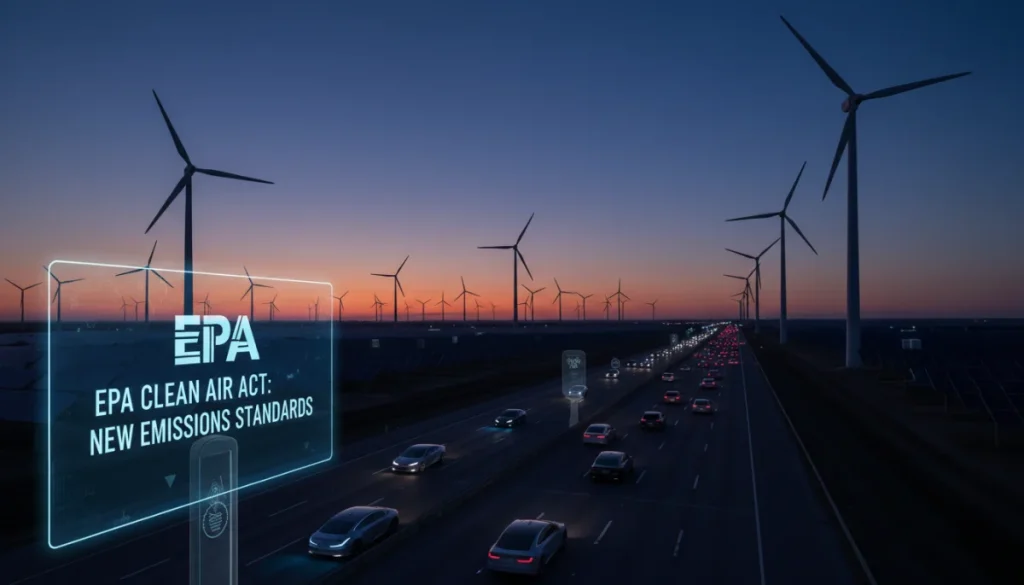
The Environmental Protection Agency (EPA) has unveiled a major policy shift by announcing stricter emissions standards set to take effect in April 2026, aiming to significantly curb pollutants across key sectors nationwide.
Anúncios
EPA announces stricter emissions standards: A new era for environmental policy
The Environmental Protection Agency (EPA) has announced a major policy shift: EPA announces stricter emissions standards effective April 2026, signaling a pivotal moment for environmental regulation in the United States. This move is designed to accelerate the nation’s transition towards a cleaner energy future and mitigate the impacts of climate change. Understanding the scope and implications of these new regulations is crucial for businesses, policymakers, and everyday Americans.
The urgency behind the new EPA regulations
The decision to implement more stringent emissions standards stems from a growing scientific consensus regarding the urgent need to address climate change and its far-reaching consequences. Rising global temperatures, extreme weather events, and deteriorating air quality have underscored the necessity for decisive action. The EPA’s new rules are a direct response to these environmental challenges, aiming to protect public health and foster a sustainable future for generations to come.
Anúncios
For years, environmental advocates and public health organizations have called for more robust regulations to control industrial emissions and vehicle pollution. The current administration has prioritized climate action, setting ambitious goals for emissions reductions. These new standards align with those broader objectives, pushing industries and consumers alike to adopt cleaner technologies and practices.
The scientific imperative for action
- Climate Change Impacts: The Intergovernmental Panel on Climate Change (IPCC) reports consistently highlight the human influence on global warming and the increasing frequency of extreme weather events.
- Public Health Concerns: Air pollution, primarily from fossil fuel combustion, contributes to respiratory illnesses, cardiovascular diseases, and premature deaths, particularly in vulnerable communities.
- Economic Costs: Climate-related disasters incur significant economic damages, from infrastructure repair to lost productivity, underscoring the financial benefits of preventative measures.
Ultimately, the urgency is driven by a combination of scientific evidence, public health imperatives, and economic considerations. The EPA’s stricter emissions standards are not merely bureaucratic adjustments; they represent a fundamental commitment to safeguarding both the environment and human well-being.
Key provisions of the 2026 emissions standards
The new EPA regulations, effective April 2026, introduce a comprehensive set of provisions targeting various sectors, most notably transportation and power generation. These provisions aim to significantly reduce greenhouse gas (GHG) emissions and other harmful pollutants. Understanding the specifics of these changes is essential for compliance and strategic planning.
For the automotive industry, the standards will require manufacturers to produce a higher percentage of zero-emission vehicles (ZEVs) and improve the fuel efficiency of internal combustion engine (ICE) vehicles. This will involve investments in electric vehicle (EV) technology and advanced combustion systems. The goal is to dramatically lower tailpipe emissions, which are a major contributor to urban air pollution and climate change.
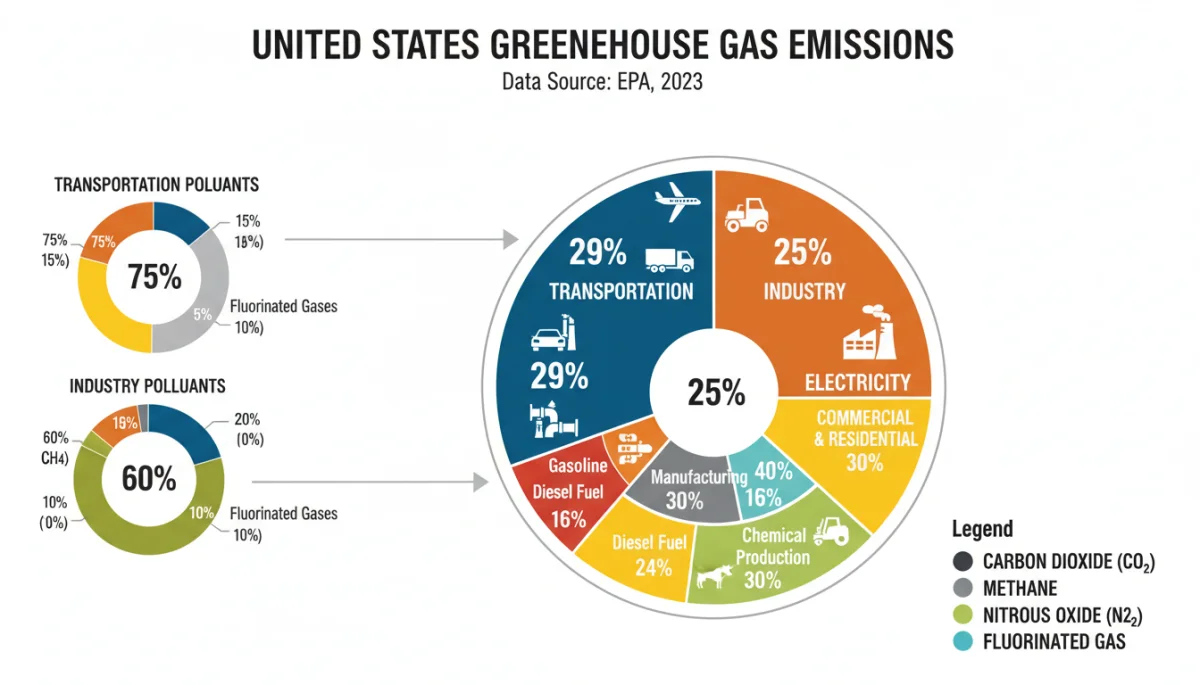
In the power sector, the EPA is focusing on reducing emissions from existing fossil fuel-fired power plants. This may involve mandates for carbon capture technologies, increased use of renewable energy sources, and stricter limits on pollutants like sulfur dioxide and nitrogen oxides. The agency aims to accelerate the transition away from coal-fired power and towards cleaner alternatives like solar and wind.
Sector-specific requirements
- Transportation: Mandates for increased electric vehicle sales targets and improved fuel economy for gasoline-powered vehicles.
- Power Generation: Stricter limits on carbon emissions from power plants, encouraging the adoption of carbon capture and storage (CCS) or renewable energy integration.
- Industrial Sector: New guidelines for reducing methane leaks from oil and gas operations and emissions from heavy manufacturing processes.
These provisions are designed to create a ripple effect, encouraging innovation and investment in green technologies across the economy. The EPA’s approach is multifaceted, addressing emissions at their source while promoting cleaner alternatives.
Impact on the automotive industry and consumers
The automotive industry is poised for significant transformation under the new EPA emissions standards. Manufacturers will face increased pressure to innovate and accelerate the production of electric vehicles (EVs) and other low-emission alternatives. This shift will require substantial investment in research, development, and manufacturing infrastructure, potentially leading to new jobs and economic growth in the green technology sector.
For consumers, the impact will be multifaceted. While the initial cost of EVs might be higher than traditional gasoline cars, long-term savings on fuel and maintenance could offset this. Furthermore, government incentives, such as tax credits and rebates, are expected to continue supporting EV adoption, making them more accessible. The market will likely see a wider variety of EV models, catering to different needs and budgets.
Consumer considerations
- Vehicle Choices: An expansion of electric and hybrid vehicle options, with improved range and performance.
- Cost Implications: Potential higher upfront costs for new vehicles, but lower operating costs due to reduced fuel consumption and maintenance.
- Charging Infrastructure: Continued expansion of public and private charging networks to support the growing EV fleet.
The transition will also present challenges, such as ensuring a robust charging infrastructure and managing the supply chain for critical EV components. However, the long-term benefits of reduced air pollution and energy independence are expected to outweigh these initial hurdles, leading to a cleaner and more sustainable transportation system.
Economic implications and opportunities
The EPA’s stricter emissions standards will undoubtedly create significant economic shifts, presenting both challenges and opportunities across various sectors. Industries heavily reliant on fossil fuels may face increased compliance costs and the need for substantial technological upgrades. This could lead to difficult transitions for some businesses and communities.
However, the policy also catalyzes innovation and investment in green technologies. Companies that embrace renewable energy, energy efficiency, and sustainable manufacturing practices are likely to thrive. This shift is expected to stimulate job creation in emerging sectors, such as renewable energy installation, battery manufacturing, and EV infrastructure development. Economists predict a net positive impact on the economy in the long run, driven by new industries and reduced costs associated with climate change and pollution-related health issues.
New economic drivers
- Green Jobs: Growth in sectors like solar, wind, battery technology, and electric vehicle manufacturing.
- Technological Innovation: Increased R&D spending leading to breakthroughs in clean energy and sustainable production.
- Energy Independence: Reduced reliance on volatile global fossil fuel markets, enhancing national energy security.
Furthermore, the standards encourage greater energy efficiency across the board, which can lead to lower operating costs for businesses and reduced utility bills for consumers over time. While the transition may require initial investment and adaptation, the long-term economic benefits, including improved public health and a more resilient economy, are substantial.
Environmental and public health benefits
The primary motivation behind the EPA’s stricter emissions standards is to deliver substantial environmental and public health benefits. By significantly reducing greenhouse gas emissions, the policy aims to slow the pace of climate change, mitigating its most severe impacts such as rising sea levels, extreme weather events, and ecosystem disruption. This contributes to preserving biodiversity and natural resources for future generations.
On the public health front, the reduction of pollutants like particulate matter, sulfur dioxide, and nitrogen oxides will lead to cleaner air. This is expected to decrease the incidence of respiratory diseases, cardiovascular problems, and other health issues linked to air pollution. Vulnerable populations, often living near industrial areas or major roadways, are likely to experience the most significant improvements in health outcomes. Cleaner air also means fewer smog days and improved overall quality of life in urban and suburban areas.
Key benefits include:
- Improved Air Quality: Reduced smog and particulate matter, leading to fewer respiratory and cardiovascular illnesses.
- Climate Change Mitigation: Lower greenhouse gas emissions, helping to limit global temperature rise and its associated impacts.
- Ecosystem Protection: Reduced acid rain and other pollutants that harm forests, lakes, and wildlife.
- Public Health Savings: Decreased healthcare costs associated with pollution-related diseases.
These benefits extend beyond immediate health improvements, fostering a more sustainable environment that supports a higher quality of life and long-term ecological balance. The investment in cleaner technologies and practices today promises a healthier planet and healthier communities tomorrow.
Challenges and the path forward
Implementing such a significant policy shift like the EPA’s stricter emissions standards effective April 2026 will not be without its challenges. Industries, particularly those heavily reliant on fossil fuels, will need to make substantial investments in new technologies and processes. This transition could lead to job displacement in some traditional sectors, necessitating robust retraining and support programs for affected workers.
Furthermore, there may be political and economic resistance from various stakeholders concerned about the immediate costs or potential impacts on competitiveness. Ensuring equitable implementation that doesn’t disproportionately burden specific communities or small businesses will also be a critical consideration. The path forward requires careful planning, stakeholder engagement, and adaptive strategies to navigate these complexities.
Addressing potential hurdles
- Technological Adaptation: Supporting industries in adopting and scaling up new, cleaner technologies.
- Workforce Transition: Developing retraining programs and economic aid for workers in transitioning industries.
- Regulatory Clarity: Providing clear guidelines and consistent enforcement to ensure compliance and avoid uncertainty.
- Public Acceptance: Communicating the long-term benefits to gain broader public and political support.
Despite these challenges, the long-term benefits of cleaner air, a more stable climate, and a robust green economy provide a compelling impetus to overcome obstacles. Collaboration between government, industry, and civil society will be essential to ensure a smooth and successful transition towards a more sustainable future.
| Key Aspect | Brief Description |
|---|---|
| Effective Date | New EPA emissions standards become active in April 2026. |
| Target Sectors | Primarily targets transportation and power generation for significant emission reductions. |
| Impact on Industry | Requires innovation in EVs, renewables, and cleaner industrial processes; creates green job opportunities. |
| Benefits | Improved air quality, climate change mitigation, and public health improvements. |
Frequently asked questions about EPA’s new emissions standards
The primary goals are to significantly reduce greenhouse gas emissions, improve air quality, protect public health, and accelerate the transition towards a cleaner energy economy in the United States. These standards aim to combat climate change and its associated environmental and health impacts effectively.
Consumers can expect more electric vehicle options, potential long-term savings on fuel and maintenance, and cleaner air. There might be an initial adjustment period for vehicle costs and charging infrastructure, but overall, it aims to provide healthier living environments and more sustainable choices.
The automotive industry will see major changes with increased EV mandates. The power generation sector will also be significantly affected, pushing for more renewable energy and carbon capture technologies. Other heavy industries will need to adapt to reduce their carbon footprint.
The EPA’s new stricter emissions standards are officially set to become effective in April 2026. This timeline provides industries with a period to plan and implement necessary changes to comply with the updated regulations.
The environmental benefits include a substantial reduction in air pollution, leading to fewer smog days and improved air quality. This will also contribute to mitigating climate change by lowering greenhouse gas concentrations, protecting ecosystems, and preserving biodiversity across the nation.
Conclusion
The EPA’s announcement of stricter emissions standards effective April 2026 marks a definitive turning point in American environmental policy. This comprehensive initiative underscores a national commitment to addressing climate change, improving public health, and fostering a sustainable economic future. While the transition will present challenges for various industries and require significant adaptation, the long-term benefits of cleaner air, a healthier population, and a more resilient economy are poised to create a lasting positive impact. This policy shift is not merely a regulatory update; it is a strategic investment in the well-being of current and future generations.
