Medicare Part B Premium Adjustments 2026: What You Need to Know

Anúncios
Understanding the Latest Medicare Part B Premium Adjustments for 2026: How It Impacts Your Healthcare Costs is crucial for beneficiaries to anticipate budget changes and ensure continued access to essential medical services.
For millions of Americans, navigating the complexities of healthcare can be daunting, especially when it involves understanding annual changes to vital programs like Medicare. This year, we’re focusing on Understanding the Latest Medicare Part B Premium Adjustments for 2026: How It Impacts Your Healthcare Costs, a topic that directly affects your financial well-being and access to medical services. These adjustments are not just numbers; they represent a significant factor in your annual budget and healthcare planning. Let’s delve into what these changes mean for you and how you can prepare.
Anúncios
Decoding Medicare Part B: What It Covers
Medicare Part B is a cornerstone of healthcare coverage for seniors and certain younger individuals with disabilities in the United States. It plays a critical role in covering medically necessary services and preventive care, essentially bridging gaps that might otherwise lead to significant out-of-pocket expenses. Understanding its scope is the first step in appreciating the impact of any premium adjustments.
Part B primarily covers two types of services: medically necessary services and preventive services. Medically necessary services are those needed to diagnose or treat a medical condition and meet accepted standards of medical practice. Preventive services are healthcare to prevent illness or detect it at an early stage, when treatment is most likely to be effective.
Anúncios
Key Services Under Part B
- Doctor visits and outpatient care.
- Medical equipment, such as wheelchairs and walkers.
- Mental health services, including therapy and counseling.
- Laboratory tests, X-rays, and other diagnostic services.
- Some home health care services.
The extent of coverage for these services can vary, and beneficiaries typically pay a monthly premium, an annual deductible, and coinsurance. These financial responsibilities are precisely what the 2026 adjustments will influence, making it essential to grasp the fundamentals of what Part B provides.
In essence, Medicare Part B ensures that essential medical care is accessible, covering a wide array of services crucial for maintaining health and managing chronic conditions. Any changes to its premiums directly affect how affordable and accessible these vital services remain for beneficiaries across the nation.
Factors Driving 2026 Premium Adjustments
The annual adjustments to Medicare Part B premiums are not arbitrary; they are the result of a complex interplay of economic, medical, and legislative factors. Understanding these drivers is key to comprehending why your premiums might change in 2026 and what trends are influencing the broader healthcare landscape.
Several significant elements contribute to the calculation of these premiums. One primary factor is the overall cost of healthcare services. As medical technology advances, new treatments emerge, and the utilization of services shifts, so too do the expenses incurred by the Medicare program. These costs are then passed on, in part, to beneficiaries through premiums.
Economic and Healthcare Trends
- Inflation: General economic inflation directly impacts the cost of medical supplies, pharmaceuticals, and labor within the healthcare sector.
- Healthcare Utilization: Changes in how frequently beneficiaries use services, or the types of services they require, can significantly affect program expenditures.
- Prescription Drug Costs: While Part D covers most prescription drugs, the cost of certain physician-administered drugs falls under Part B, influencing its overall expenditure.
Furthermore, legislative changes and the financial health of the Medicare trust funds also play a crucial role. Congress can enact laws that affect Medicare’s revenue and spending, while the solvency of the trust funds dictates the program’s ability to cover its obligations without significant premium increases. The aging population and the increasing number of beneficiaries also place continuous pressure on the system.
Ultimately, the 2026 premium adjustments will reflect a careful balancing act designed to ensure the sustainability of the Medicare program while attempting to keep costs manageable for beneficiaries. These adjustments are a direct response to the evolving demands and financial realities of the American healthcare system.
Projected Changes for 2026: What to Expect
Anticipating the specific premium adjustments for Medicare Part B in 2026 requires looking at projections and understanding the methodologies used by the Centers for Medicare & Medicaid Services (CMS). While exact figures are typically released later in the year, we can discuss the likely direction and potential magnitudes based on current trends and historical patterns.
Historically, Medicare Part B premiums tend to increase each year, though the rate of increase can vary significantly. Factors such as the annual cost-of-living adjustment (COLA) for Social Security benefits often play a role, as a provision known as the ‘hold harmless’ rule protects most beneficiaries from having their Part B premium increase by more than their Social Security COLA.
Potential Premium Scenarios
- Moderate Increase: A slight uptick in premiums, aligning with typical inflation and healthcare cost growth.
- Significant Increase: A more substantial jump, possibly due to unforeseen spikes in healthcare utilization or drug costs, or a lower-than-expected Social Security COLA.
- Income-Related Monthly Adjustment Amount (IRMAA): High-income earners will continue to pay higher premiums, and the income thresholds for these surcharges are also subject to annual adjustment.
It’s important to remember that these are projections, and the final numbers will depend on various economic indicators and legislative decisions made throughout 2025. However, beneficiaries should prepare for the likelihood of an increase, rather than a decrease, in their monthly Part B premiums. Staying informed through official CMS announcements will be critical as 2026 approaches.
The projected changes for 2026 highlight the importance of proactive financial planning. Beneficiaries should review their current budgets and consider how even a modest increase in Part B premiums could affect their overall financial health and ability to cover healthcare expenses.
Impact on Your Healthcare Budget and Planning
The annual adjustments to Medicare Part B premiums directly translate into changes in your personal healthcare budget. Understanding this impact is crucial for effective financial planning, ensuring you can continue to afford the medical care you need without undue strain. These premium changes are not isolated; they ripple through various aspects of your financial life.
For many, the Part B premium is deducted directly from Social Security benefits. An increase in this premium means a smaller net Social Security payment, which can affect daily living expenses. For those who pay directly, it means a higher monthly bill that needs to be factored into their budget. This is particularly significant for individuals on fixed incomes, where every dollar counts.
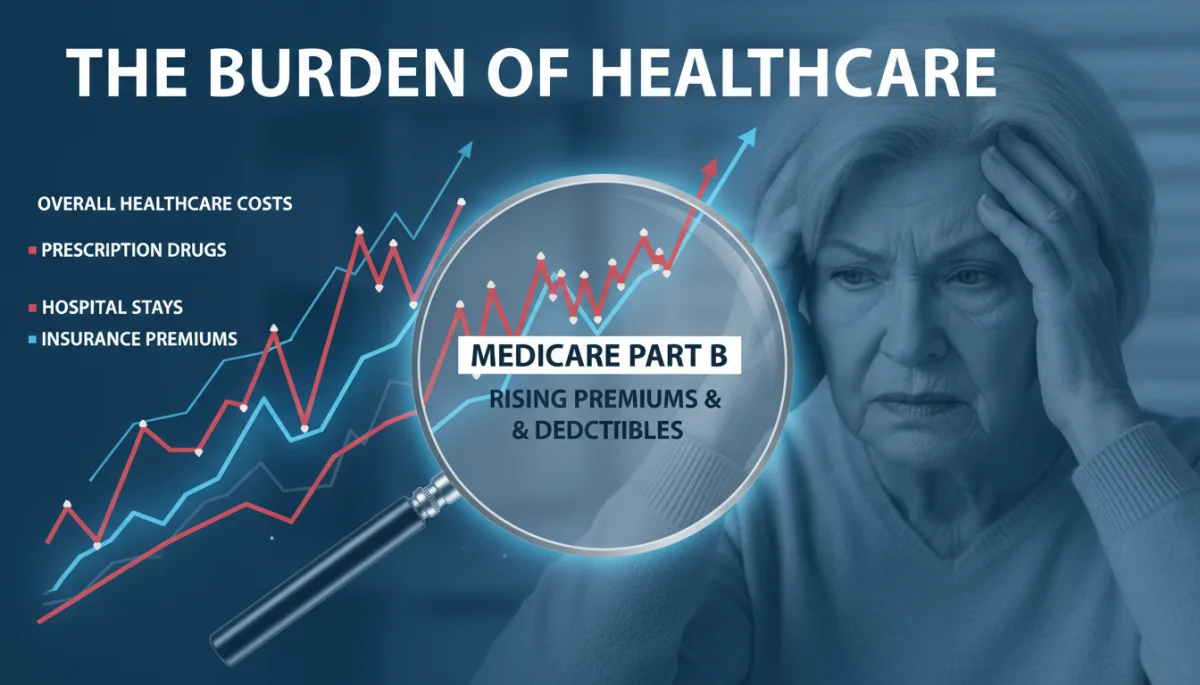
Beyond the direct premium cost, these adjustments can also indirectly influence other healthcare-related expenses. For instance, if you have a Medicare Advantage plan (Part C) or a Medigap policy, their premiums might also be influenced by the underlying costs of Part B, as these plans often coordinate with or supplement original Medicare.
Strategies for Budgeting and Planning
- Review Annual Statements: Carefully examine your annual Medicare statements and Social Security notices for the exact premium amounts.
- Adjust Household Budget: Proactively modify your monthly budget to account for any increases, allocating funds specifically for healthcare.
- Explore Assistance Programs: Investigate Medicare Savings Programs (MSPs) or other state-specific assistance if your income and resources qualify.
Effective planning involves not just reacting to changes but anticipating them. By staying informed about potential adjustments and understanding their broader financial implications, beneficiaries can make informed decisions to mitigate the impact on their healthcare budget and ensure continuity of care.
Ultimately, the impact of 2026 Part B premium adjustments on your healthcare budget underscores the need for continuous vigilance and proactive financial management. By understanding these changes, you empower yourself to make better decisions about your healthcare future.
Strategies to Mitigate Rising Costs
While Medicare Part B premium adjustments are often unavoidable, there are proactive strategies beneficiaries can employ to mitigate the impact of rising costs. Taking control of your healthcare spending and exploring available resources can significantly alleviate financial pressure and ensure you maintain access to quality care.
One of the most immediate steps is to rigorously review your current healthcare plan. Are you on Original Medicare, or do you have a Medicare Advantage plan? Each has different cost structures and benefits, and evaluating whether your current plan still meets your needs and budget is crucial. Sometimes, switching plans during the annual enrollment period can lead to savings.
Smart Healthcare Cost Management
- Utilize Preventive Services: Take advantage of covered preventive care to detect health issues early, potentially avoiding more costly treatments later.
- Compare Drug Prices: If you’re on a Part D plan, regularly compare prescription drug prices through different pharmacies or mail-order options.
- Understand Your Benefits: Fully grasp what your plan covers and what your out-of-pocket responsibilities are for various services.
Another powerful strategy involves exploring governmental assistance programs. Medicare Savings Programs (MSPs) can help low-income beneficiaries pay for Part B premiums, deductibles, coinsurance, and copayments. Each state also has a State Health Insurance Assistance Program (SHIP) that offers free, unbiased counseling on all Medicare-related issues, including cost-saving strategies.
Furthermore, maintaining good health through lifestyle choices can also indirectly mitigate costs by reducing the need for extensive medical interventions. Regular exercise, a balanced diet, and adherence to medical advice are not only good for your well-being but can also contribute to lower healthcare expenditures over time.
By actively engaging in these strategies, beneficiaries can exert a degree of control over their healthcare costs, even in the face of rising Part B premiums. Proactive management and informed decision-making are your best allies in navigating the evolving landscape of Medicare expenses.
Future Outlook and Long-Term Considerations
Looking beyond 2026, the trajectory of Medicare Part B premiums and overall healthcare costs presents a complex picture, demanding long-term considerations from both beneficiaries and policymakers. Understanding the broader trends and potential future changes can help individuals plan more effectively for their retirement years and healthcare needs.
The aging demographic in the United States means an ever-increasing number of Medicare beneficiaries, placing continuous pressure on the program’s finances. Advances in medical technology and new, often expensive, treatments also contribute to the upward trend in healthcare spending. These factors suggest that premium increases are likely to be a recurring theme in the coming years.
Long-Term Planning Essentials
- Health Savings Accounts (HSAs): If eligible, an HSA can be a powerful tool for saving for future healthcare expenses on a tax-advantaged basis.
- Long-Term Care Insurance: Consider the potential need for long-term care, which Medicare generally does not cover, and explore insurance options.
- Regular Financial Reviews: Periodically reassess your retirement savings and investment strategies to ensure they align with your anticipated healthcare costs.
Policy discussions around Medicare reform are ongoing, with various proposals aimed at ensuring the program’s long-term solvency. These discussions might lead to structural changes that could affect premiums, deductibles, or coverage in the future. Staying engaged with these policy debates, even from a distance, can provide insights into potential future impacts.
For individuals, the key is to adopt a holistic approach to financial and health planning. This includes not only budgeting for current premiums but also saving for future healthcare needs, understanding potential policy shifts, and maintaining a healthy lifestyle to minimize medical interventions. Proactive long-term planning is essential for navigating the evolving landscape of Medicare and ensuring financial security in retirement.
Considering the future outlook of Medicare Part B premiums involves acknowledging systemic pressures and adopting a resilient approach to personal financial and health management. By doing so, beneficiaries can better prepare for the long haul.
| Key Point | Brief Description |
|---|---|
| Part B Coverage | Covers medically necessary services like doctor visits, outpatient care, and preventive services. |
| Premium Drivers | Influenced by healthcare costs, inflation, utilization rates, and legislative decisions. |
| Mitigation Strategies | Review plans, utilize preventive care, explore assistance programs, and compare drug prices. |
| Long-Term Planning | Consider HSAs, long-term care insurance, and regular financial reviews for future costs. |
Frequently Asked Questions About Medicare Part B Premiums
Medicare Part B is medical insurance that covers medically necessary services, such as doctor visits, outpatient care, and preventive services. It helps pay for services and supplies needed to diagnose or treat your medical condition.
Premiums adjust annually due to factors like rising healthcare costs, inflation, utilization of services, and the financial health of the Medicare trust funds. These changes aim to ensure the program’s sustainability.
Official premium amounts for 2026 will be announced by the Centers for Medicare & Medicaid Services (CMS) later in 2025. You will typically receive a notice from Medicare or Social Security with your specific premium.
Yes, Medicare Savings Programs (MSPs) can help low-income individuals pay for Part B premiums and other out-of-pocket costs. State Health Insurance Assistance Programs (SHIPs) also offer free counseling on cost-saving options.
The ‘hold harmless’ provision protects most beneficiaries by ensuring their Part B premium increase does not exceed the dollar amount of their Social Security cost-of-living adjustment (COLA), preventing a reduction in net benefits.
Conclusion
Understanding the Latest Medicare Part B Premium Adjustments for 2026: How It Impacts Your Healthcare Costs is more than just a financial exercise; it’s an essential component of securing your health and financial future. The landscape of Medicare is constantly evolving, driven by complex economic and medical factors. By staying informed, proactively planning, and utilizing available resources, beneficiaries can effectively navigate these changes. Preparing for potential premium increases, exploring assistance programs, and adopting a long-term perspective on healthcare costs are all crucial steps. Empowering yourself with knowledge and strategic planning will ensure that you continue to receive the necessary medical care while maintaining financial stability in the years to come.
